How the beard transition should work
The temple taper narrows into the top of the sideburn, then increases gradually into the beard. A short beard can use a compact transition; a fuller beard usually needs more vertical space so the blend does not create a visible notch.
Match the blend to beard density
Dense beards can support a stronger transition. Patchier growth usually looks better with a softer sideburn and less exposed skin, because an aggressive fade can draw attention to gaps near the cheek.
Open the private editor with Low Taper Fade already selected.
What to ask your barber
Specify the shortest point at the temple, where the sideburn should begin gaining length, and whether the cheek line should remain natural or defined. Ask the barber to show the transition before taking it shorter.
Short beard vs full beard
A short beard can use a compact sideburn transition that reaches its working length quickly. A full beard usually needs a longer gradient from temple to cheek so the density increases gradually instead of forming a visible step.
Maintenance
The haircut and beard do not have to be refreshed on the same schedule. Keep the cheek and neckline tidy at home, but avoid pushing the sideburn blend higher each time; let your barber re-establish that transition.
Ad placement
Styles worth comparing
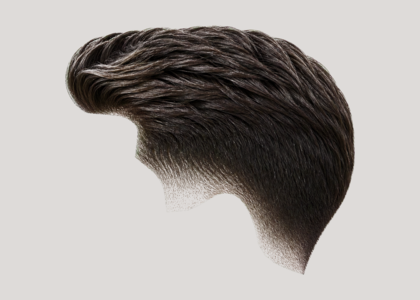
Low Taper Fade
A soft, low taper focused around the sideburns and neckline.
Try this style →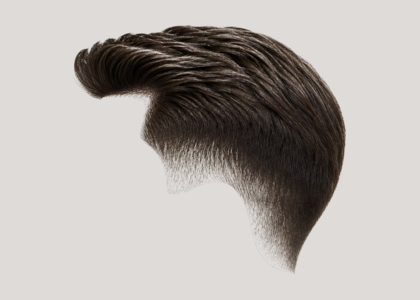
Taper Fade
A restrained taper at the temples and neckline that keeps more weight on the sides.
Try this style →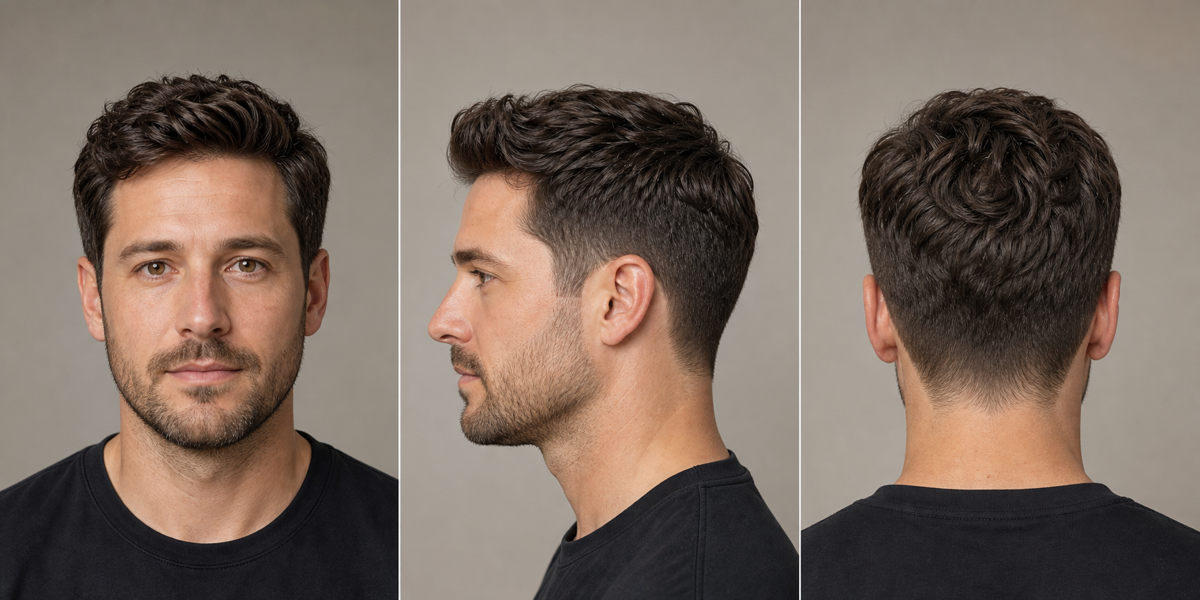
Mid Taper Fade
A clean taper placed around the middle of the temples and neckline, balancing definition with natural weight.
Try this style →Frequently asked questions
Should a fade connect to the beard?
It can connect or remain deliberately separated. A connected taper looks cohesive; a disconnected sideburn creates a stronger graphic break. Choose it intentionally.
Does a low taper work with a full beard?
Yes. Leave enough transition length through the sideburn so the taper grows naturally into the fuller beard instead of jumping abruptly from skin to density.
How often should the beard fade be refreshed?
A crisp transition may need attention every two to three weeks. Between visits, tidy the cheek and neckline but avoid cutting higher into the sideburn gradient.
Related hairstyles and guides
Try the haircut before your next barber visit
Use your own photo, compare the original and preview, then save a barber reference card.
Try the Low Taper Before Your Barber Visit