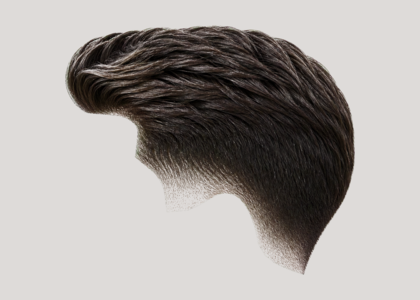
What defines a low taper fade?
The temple transition stays below or close to the natural temple, while a second compact taper cleans the neckline. The area between them retains weight, which is why a low taper grows out more softly than a continuous low fade.
Hair types and proportions to consider
The low taper can support straight, wavy, curly and coily tops because it changes the edges rather than dictating the full haircut. Adjust the retained side weight, top direction and neckline to your density and proportions.
The editor opens with Low Taper Fade selected and keeps your photo in your browser.
How a low taper differs from a low fade
A low taper concentrates the shortest hair at the sideburns and neckline. A low fade continues the blend around the entire lower side of the head.
When to choose a low taper
Choose it when you want to retain side weight, keep the cut workplace-friendly or grow the style out more softly between barber visits.
Low taper fade variations
Pair the taper with a textured fringe for forward movement, straight hair for a clean side sweep, curls for natural volume, or a beard transition through the sideburn. Each variation keeps the shortest work localized to the edges.
Ad placement
What to ask your barber
Ask for a low taper confined to the sideburns and neckline, specify skin, zero or your preferred shortest guard, and state how much side weight to keep. Describe the top separately and confirm that you do not want the shortest section carried around as a full low fade.
Maintenance and styling
Refresh the temple and neckline taper every two to four weeks depending on how sharp you want the outline. The top can often follow its own cutting schedule, particularly with a longer fringe or curls.
Preview it before the barber
The MensFade editor opens with this style selected. Adjust its position and scale on your photo, compare it with the original, then save a barber instruction card.
Try the Low Taper Fade on Your PhotoFrequently asked questions
What is the difference between a low taper and low fade?
A low taper shortens compact areas at the sideburns and neckline. A low fade continues the blend around the full lower sides and back.
What can you pair with a low taper fade?
Common options include a textured fringe, straight side sweep, curls, fluffy volume or a connected beard transition.
How often should a low taper be cut?
Two to four weeks keeps the edges defined, though its localized shape usually grows out more softly than a skin fade.