What the cut should look like
The shortest hair stays in two compact zones: around the sideburns and at the neckline. Above that, the sides retain enough weight to connect naturally to a longer top. The fringe is cut with uneven separation and directed forward rather than sitting as one blunt line.
Who it tends to suit
This combination works especially well on straight or wavy hair with enough density to show separation. The forward fringe can soften a high forehead, while the low taper avoids adding unnecessary width or height.
- Straight hair: ask for point-cut texture so the fringe does not look blocky
- Wavy hair: keep enough length for the natural bend to form
- Fine hair: use light texture powder rather than heavy wax
- Very curly hair: consider a curl-shaped fringe instead of copying a straight-hair reference
Open the private editor with Low Taper Fade already selected.
What to ask your barber
Ask for a low taper confined to the temples and neckline, with the weight above it left connected. Keep roughly 2–4 inches through the front, depending on shrinkage and the finish you want, and request point-cut texture with a soft, irregular fringe. Agree on the dry fringe length before cutting.
How to style the fringe
Work from towel-dried hair. Direct the front forward with your fingers, lift small sections rather than forming one solid curtain, then add a pea-sized amount of matte clay or a light texture powder. Stop before the fringe becomes stiff or glossy.
Maintenance
The temple and neckline taper usually looks sharpest with a tidy-up every two to four weeks. The top can often go longer between cuts; ask for a light texture refresh when the fringe starts falling as a single heavy section.
Useful variations
Keep a longer, broken fringe for more movement; shorten it into a textured crop for easier styling; or use a mid taper when you want the temple transition to show more clearly. Preserve the connection above the taper in every version.
Ad placement
Styles worth comparing
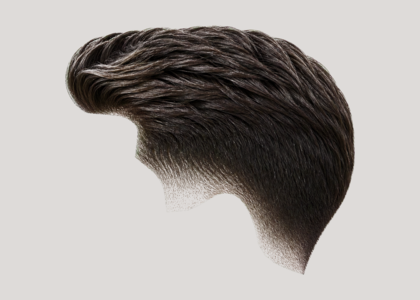
Low Taper Fade
A soft, low taper focused around the sideburns and neckline.
Try this style →
Textured Crop
A short, choppy crop worn forward for an easy, modern silhouette.
Try this style →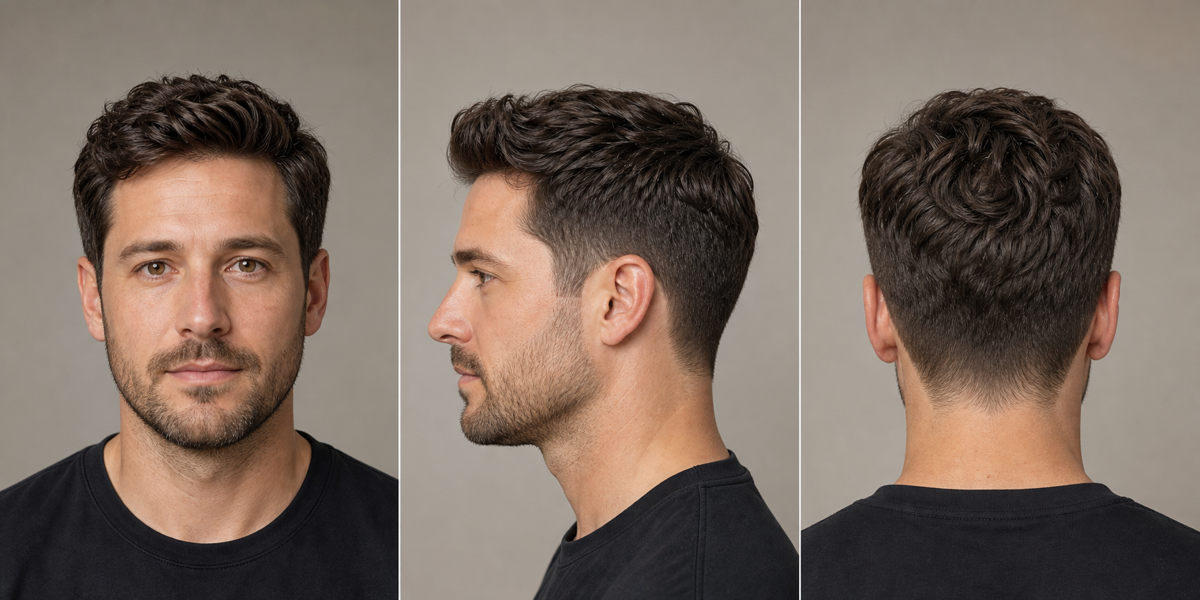
Mid Taper Fade
A clean taper placed around the middle of the temples and neckline, balancing definition with natural weight.
Try this style →Frequently asked questions
How long should the textured fringe be?
Around 2–4 inches is a useful range for straight or wavy hair, but the right dry length depends on shrinkage, density and how far forward you want it to fall.
Is a low taper the same as a low fade?
No. A low taper concentrates the shortest transition at the sideburns and neckline; a low fade carries the blend around the full lower sides and back.
What product gives the fringe a dry texture?
Start with texture powder or a small amount of matte clay. Heavy pomade can group the fringe together and remove the loose separation that defines the style.
How often should a low taper textured fringe be cut?
Tidy the taper every two to four weeks if you want a sharp outline. The fringe can often grow longer between visits and only needs reshaping when it becomes heavy or loses separation.
Related hairstyles and guides
Try the haircut before your next barber visit
Use your own photo, compare the original and preview, then save a barber reference card.
Try the Low Taper Textured Fringe