Types of Fade Haircuts: The Complete Visual Guide
Fade haircuts have become the dominant style in modern men's grooming, but the sheer variety of fade types can be confusing. From low fades to burst fades, skin fades to drop fades, each variation creates a distinct look and requires different styling approaches and maintenance schedules. This comprehensive guide breaks down every type of fade haircut so you can find the perfect style for your preferences, face shape, and lifestyle.
Understanding Fade Basics
Before diving into specific fade types, it's important to understand what defines a fade. A fade is a gradual transition from longer hair at the top of the head to much shorter hair on the sides and back. The key characteristics that differentiate fade types are:
- Height: Where the fade line begins (low, mid, high, temple)
- Closeness: How short the hair goes (taper, short, or skin)
- Angle: How the fade is shaped (straight, curved, burst, drop)
- Transition: How gradual or abrupt the change is
The Low Fade
The low fade haircut is one of the most versatile and universally flattering options. The fade line begins around the lower portion of the ear and gradually tapers down toward the nape.
Characteristics:
- Fade starts near the ear level or lower
- Maintains good length throughout most of the head
- Subtle, balanced appearance
- Professional and conservative styling
- Requires touch-ups every 3-4 weeks
- Great for men new to fades
Best For:
Professional environments, men preferring subtle styling, those with round faces (the fade adds definition), and anyone wanting a clean look without too much boldness.
The Mid Fade
The mid fade haircut is the sweet spot for most men, offering balanced contrast without being too aggressive. The fade line starts around the middle of the ear.
Characteristics:
- Fade begins at mid-ear level
- Provides noticeable contrast without being extreme
- Modern, contemporary appearance
- Versatile styling options
- Requires touch-ups every 3-4 weeks
- Most popular fade choice today
Best For:
Most men and professional settings, those wanting a modern appearance with some boldness, creative industries, and men who prefer balanced contrast.
The High Fade
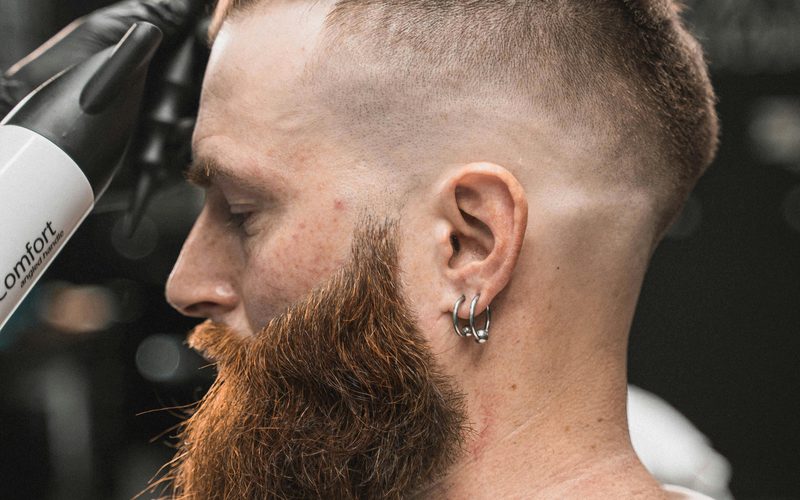
The high fade haircut makes a bold statement with maximum contrast. The fade line starts high on the head, typically near the temple.
Characteristics:
- Fade begins at temple or upper-ear level
- Dramatic contrast between top and sides
- Bold, contemporary appearance
- Exposes significant scalp area
- Requires touch-ups every 2-3 weeks
- Makes a strong style statement
Best For:
Bold personalities, creative professionals, young men wanting impact, those with strong facial features wanting them highlighted, and men willing to maintain their cut frequently.
The Skin Fade (Bald Fade)
The skin fade haircut is the ultimate in contrast, fading all the way down to bare scalp. This can be done at any height—low, mid, or high skin fades are all variations.
Characteristics:
- Fades completely down to the skin
- Maximum contrast and visual impact
- Very clean, sharp appearance
- Requires every 2-3 weeks maintenance
- Shows scalp prominently
- Requires experienced barber for precision
Best For:
Men confident in bold styling, those wanting maximum definition of facial features, creative or casual work environments, and men who don't mind frequent barber visits.
The Taper Fade
A taper fade combines taper and fade characteristics, creating a more gradual transition than a standard fade while maintaining more contrast than a pure taper.
Characteristics:
- Gradual tapering from top to bottom
- Less abrupt than standard fades
- No super-short sections
- Maintains some hair length throughout
- Requires touch-ups every 3-4 weeks
- Classic, timeless appearance
Best For:
Conservative professional settings, men who prefer subtlety, those wanting classic styling, and anyone wanting a fade without looking too trendy.
The Drop Fade
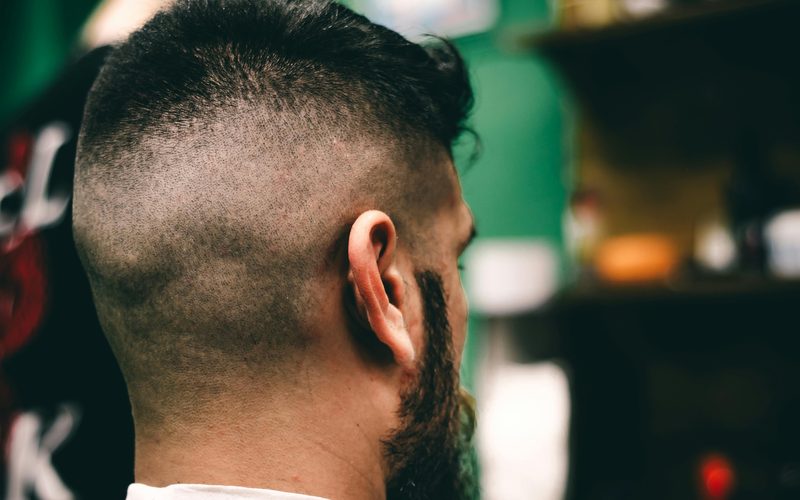
The drop fade haircut is a unique variation where the fade line curves behind the ear and drops significantly at the nape, creating a distinctive shape.
Characteristics:
- Fade curves around the back of the ear
- Drops lower in the back than on the sides
- Creates a unique, custom appearance
- Requires skillful barber work
- More noticeable shape when viewed from the side
- Requires touch-ups every 3-4 weeks
Best For:
Men wanting a distinctive, custom look, those with longer hair on top wanting shape definition, and anyone wanting something beyond standard fades.
The Burst Fade
The burst fade haircut features curved fade lines that flow around the ear in a circular pattern, creating a distinctive burst or sunburst effect.
Characteristics:
- Curved fade lines that burst around the ear
- Creates a distinctive, artistic appearance
- Very detail-oriented and custom
- Requires expert barber skill
- Often combined with longer tops for contrast
- Requires touch-ups every 3-4 weeks
Best For:
Men wanting artistic, unique styling, those with longer hair on top, creative personalities, and anyone willing to invest in skilled barber work.
The Temple Fade
The temple fade, also called a temple fade, focuses on fading the hair around the temples and sides while often leaving more length in the middle. This creates dimension and is often used as part of more complex fade designs.
Characteristics:
- Emphasizes fading around temples and ears
- Often combined with other fade styles
- Creates dimensional appearance
- Works well with designs
- Requires skilled barber execution
- Requires touch-ups every 3-4 weeks
Best For:
Men wanting dimensional styling, those with designs or patterns, creative personalities, and anyone comfortable with detailed barber work.
Comparing All Fade Types
| Fade Type | Fade Height | Contrast Level | Maintenance | Professional |
|---|---|---|---|---|
| Low Fade | Low (ear level) | Subtle | Every 3-4 weeks | Excellent |
| Mid Fade | Mid (mid-ear) | Balanced | Every 3-4 weeks | Very Good |
| High Fade | High (temple) | Bold | Every 2-3 weeks | Good |
| Skin Fade | Variable | Maximum | Every 2-3 weeks | Good |
| Taper Fade | Variable | Subtle-Medium | Every 3-4 weeks | Excellent |
| Drop Fade | Curved | Balanced | Every 3-4 weeks | Very Good |
| Burst Fade | Curved | Bold | Every 3-4 weeks | Good |
Choosing Your Fade Type
Selecting the right fade depends on several factors:
Consider Your Maintenance Commitment
Are you willing to visit a barber every 2-3 weeks (high fades, skin fades) or can you go 3-4 weeks (low, mid, drop, burst)? Low and taper fades are most forgiving as they grow out less noticeably.
Think About Your Professional Environment
Conservative settings work best with low or taper fades. Creative industries embrace high fades and burst fades. Tech and startups work with any fade. Military settings favor mid and high fades.
Assess Your Face Shape
Most fades work for most faces, but higher fades particularly flatter square and round faces by highlighting features. Low fades work well for longer face shapes.
Evaluate Your Hair Type
All fade types work with all hair types. Curly hair looks striking with any fade. Fine hair works well with lower fades. Thick hair looks great with high or skin fades.
Consider Your Personal Style
Bold personalities suit high fades and burst fades. Classic dressers work well with low or taper fades. Modern trendsetters embrace mid and skin fades.
Start with a mid fade if you're new to fades. It offers good balance, requires moderate maintenance, works in most settings, and you can adjust up to a high fade or down to a low fade based on how you feel. Most men love mid fades once they try them.
Fade Combinations
Experienced barbers often combine different fade techniques:
- High Mid Fade: Fade starts around upper ear and mid-ear
- Mid Skin Fade: Mid-height fade that goes all the way to skin
- Drop Burst Fade: Drop fade combined with burst effect
- Textured Drop Fade: Drop fade with longer textured top
- Skin Fade with Design: Skin fade combined with line work or patterns
Communication Tips for Your Barber
Regardless of which fade type you choose, effective communication is key:
- Show photos: Bring 2-3 clear reference photos showing exactly what you want
- Use terminology: Say the specific fade name (low, mid, high, burst, drop)
- Point to your head: Show your barber where you want the fade line to start
- Discuss length on top: Be specific about top length and intended styling
- Mention closeness: Clarify if you want short hair or a skin fade at the bottom
- Ask about maintenance: Confirm how often you'll need touch-ups
Fade Care and Maintenance
Regardless of fade type, proper care keeps your cut looking sharp:
- Regular trims: Follow the maintenance schedule for your fade type
- Scalp health: Keep your scalp clean and moisturized
- Hair care: Use quality shampoo and conditioner
- Sun protection: Use sunscreen on exposed scalp areas
- Product selection: Choose products that match your top styling
- Styling consistency: Develop a daily styling routine
Frequently Asked Questions
The low fade and taper fade are easiest to maintain because they grow out less noticeably. You can go 3-4 weeks between cuts. High fades and skin fades require touch-ups every 2-3 weeks.
The low fade and taper fade are most professional for conservative settings. However, mid fades are professional in most modern workplaces today.
The mid fade is currently the most popular because it offers excellent balance—good contrast, moderate maintenance, professional appearance, and versatile styling options.
Absolutely! You can try different fade types at each haircut. Since they grow out similarly, switching is easy. Many men try different types before finding their favorite.
All fade types work with curly hair, but they all create striking contrast with curls. Mid fades and high fades particularly complement natural curls beautifully.
Yes, burst and drop fades require more barber skill and take longer to execute. Make sure your barber has experience with these specialized cuts. They're worth it if you want something truly distinctive.