Taper Fade vs Fade: Key Differences Explained
When discussing men's haircuts, the terms "taper" and "fade" are often used interchangeably, but they actually describe different techniques that create distinct results. Understanding the difference between a taper and a fade is crucial for communicating with your barber and getting the exact haircut you want. This comprehensive guide breaks down these styles so you can make an informed decision about which is right for you.
Defining a Taper
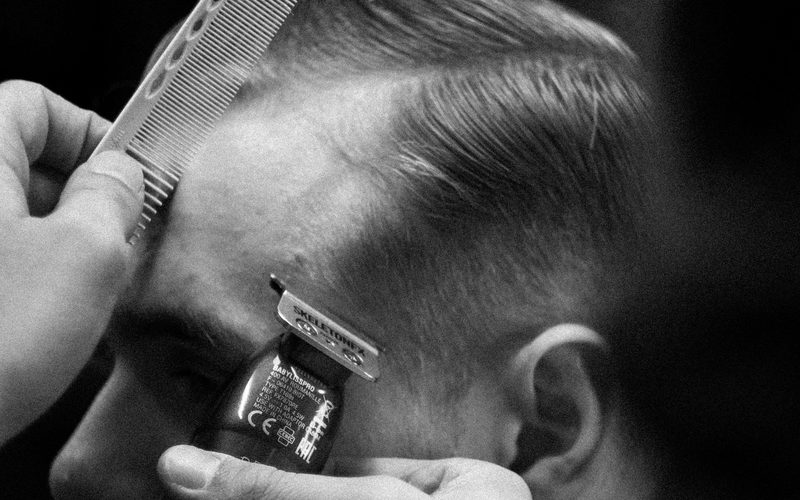
A taper is a gradual transition in hair length from longer hair at the top to shorter hair at the bottom. The key characteristic of a taper is that it happens gradually and smoothly throughout the sides and back of the head. There's no distinct "fade line"—instead, the length progressively decreases in a gentle, continuous manner.
With a taper, the transition is subtle and blended. You'll notice the hair getting shorter as you move down the head, but there's no abrupt change. Tapers maintain some hair throughout, even at the shortest point at the nape—they don't taper all the way down to skin.
Characteristics of a Taper:
- Gradual, continuous length reduction
- Smooth blending from top to bottom
- No obvious fade line
- Maintains some hair length throughout
- More conservative appearance
- Less frequent maintenance required
- Works well with longer tops
Defining a Fade
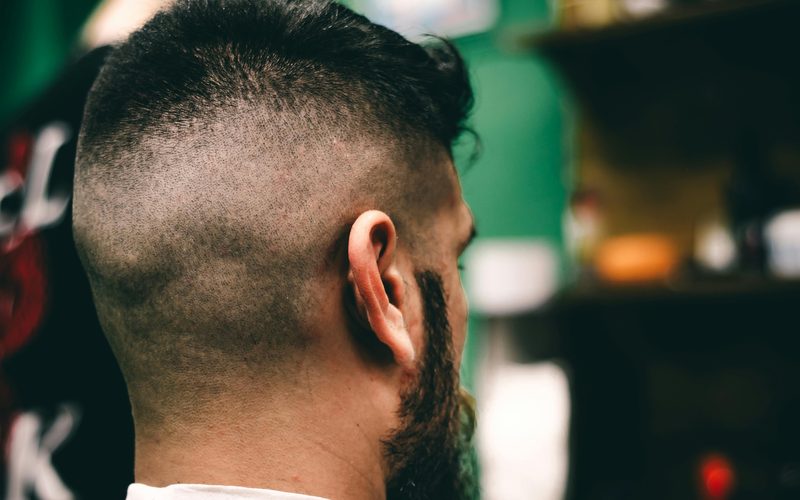
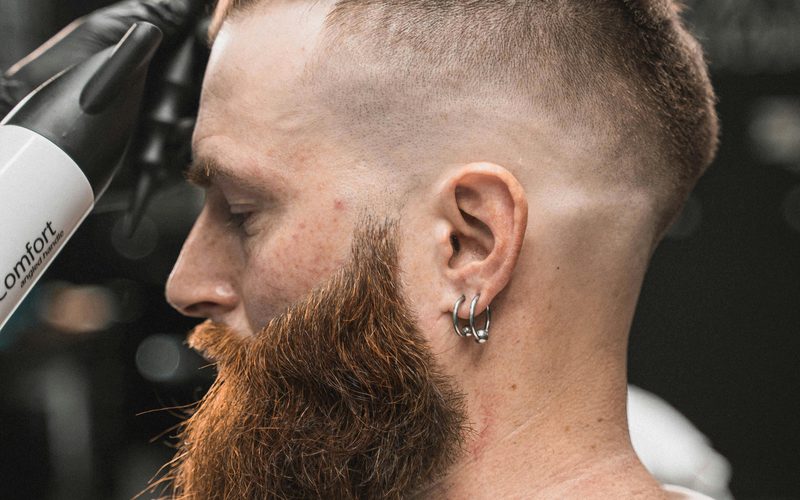
A fade is a more aggressive version of tapering that creates a distinct line where the hair transitions from longer to very short (or skin). The key difference is the contrast—fades create visible separation between the length on top and the closely cropped sides and back. The transition is still gradual, but it covers a much smaller distance, creating a more dramatic effect.
Fades are defined by their starting height: low (starting near the nape), mid (starting around the ear), or high (starting near the temple). The closeness also varies—fades can taper to short hair or all the way to skin (creating a skin fade or bald fade).
Characteristics of a Fade:
- Distinct visible fade line
- Rapid transition from longer to very short
- Clear contrast between top and sides
- Can go all the way to skin
- More modern appearance
- Requires more frequent touch-ups
- Multiple height variations (low, mid, high)
- Multiple closeness options (taper fade, skin fade)
Visual Comparison
Imagine looking at someone's head from the side:
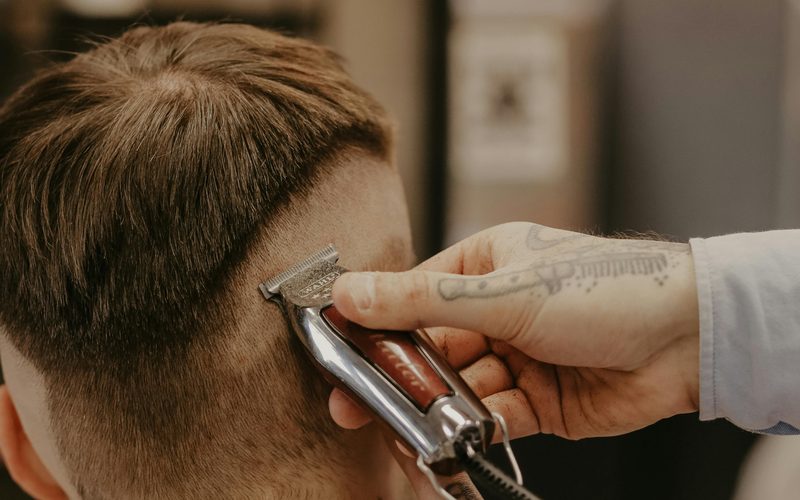
With a taper: The hair length decreases smoothly and gradually from top to bottom. It's like a gentle slope where each inch down results in slightly shorter hair. The bottom of the sides might be a #2 or #3 clipper guard length, but you can still see hair throughout.
With a fade: The hair is longer on top, then quickly becomes very short at a defined line (the fade line), and continues short or becomes skin below that line. It's like a sharp contrast between two distinct zones—the styled top and the closely cropped sides.
Taper Fade: The Hybrid Style
The term "taper fade" is used to describe a fade that has more gradual tapering characteristics rather than an abrupt line. A taper fade starts a fade but includes a longer gradual transition, creating a style that's somewhere between a traditional taper and a full fade.
A taper fade might start around the lower ear and gradually reduce to very short hair or skin, but the transition happens more gradually than a standard fade would. It's a great option for men who want fade styling with a less dramatic contrast.
How to Ask Your Barber
Clear communication prevents disappointment. Here's how to describe what you want:
For a Taper:
- "I want a taper" or "a gradual taper on the sides"
- Specify the shortest length (typically #2 or #3)
- Mention it should be blended smoothly throughout
- Describe your preferred top length and style
- Say you want a gradual, continuous transition (no fade line)
For a Fade:
- "I want a fade" and specify the height (low, mid, or high)
- Show reference photos showing the fade line position
- Specify how close the fade goes (short hair vs. skin fade)
- Describe your preferred top length
- Mention if you want a taper fade (more gradual) or hard fade (abrupt)
For a Taper Fade:
- "I want a taper fade" or "a tapered fade"
- Specify the height where the transition becomes noticeable
- Show photos of taper fades you like
- Mention the desired length on top
- Describe your preferred appearance—more gradual or more defined
Bring photos to your appointment. A picture of exactly what you want is worth a thousand words of description. Show side-view photos that clearly display the length gradation you're after.
Maintenance Differences
Understanding maintenance requirements helps you choose a style that fits your lifestyle:
Taper Maintenance
A taper is more forgiving regarding growth. Because there's no distinct fade line, the haircut looks acceptable even as it grows out slightly. Most men can go 4-6 weeks between trims while a taper still looks good.
Fade Maintenance
A fade requires more frequent touch-ups because the fade line becomes noticeably blurred as hair grows. Depending on fade height—high fades require touch-ups every 2-3 weeks, mid fades every 3-4 weeks, and low fades every 3-4 weeks. Skin fades especially require consistent maintenance.
Taper Fade Maintenance
A taper fade falls between the two—it requires more maintenance than a traditional taper but less than a defined fade. Plan for touch-ups every 3-4 weeks to keep the tapered fade looking sharp.
Which Is Better for Your Face Shape?
Both tapers and fades can be flattering, but they work slightly differently for face shapes:
Tapers Work Well For:
- Professional or conservative settings (less bold impact)
- Men who prefer subtle, gradual styling
- Those wanting less contrast between top and sides
- Longer hair on top (tapers work great with length)
- Men with specific style preferences like slicked-back looks
Fades Work Well For:
- Men wanting bold, modern contrast
- Those who like clean, sharp lines
- Professional settings where precision is valued
- Men wanting to make a statement with their hair
- Those with shorter preferences on the sides
Styling Differences
The styling implications of tapers versus fades are significant:
Styling a Taper
Tapers work well with various lengths on top. You can style with:
- Slicked-back looks with longer length
- Side parts with substantial top length
- Textured crops (though the effect is less dramatic than with a fade)
- Longer, flowing styles
Styling a Fade
Fades create more dramatic contrast, making any style on top look sharper. Popular options include:
- Short textured crops
- Quiffs with height
- Pompadours with volume
- Slicked-back styles
- Any style benefits from the fade's contrast
Professional Appropriateness
Both tapers and fades are professional, but they communicate slightly different things:
- Tapers: Classic, established, conservative, timeless
- Fades: Modern, contemporary, sharp, trendy
In corporate environments, a subtle taper is safe and appropriate. A fade is also professional today but makes a slightly bolder statement. Neither is inappropriate in any professional setting, but tapers are traditionally more conservative.
Common Confusion
Here's where confusion often happens: barbers sometimes use "fade" and "taper" to mean slightly different things:
- Some barbers use "taper" to mean any gradual length reduction
- Some use "fade" for any taper that creates visible contrast
- A "taper fade" is sometimes understood differently by different barbers
- "Fade" is increasingly used as an umbrella term for all tapered styles
This is why showing photos is so important—it eliminates ambiguity between different barber interpretations.
After your first cut, compliment your barber on specific aspects you loved ("I loved how you blended the taper" or "The fade line is exactly what I wanted"). This helps them understand your preferences for future cuts.
Making Your Choice
Choosing between a taper and fade comes down to your preferences:
Choose a taper if: You prefer subtle styling, want less frequent maintenance, like versatility with longer top lengths, or work in very conservative professional settings.
Choose a fade if: You like bold, sharp contrast, are willing to maintain it every 3-4 weeks, prefer shorter sides, or want a more modern appearance.
Choose a taper fade if: You want something between the two—more contrast than a taper but less maintenance and boldness than a full fade.
For more detailed information about specific fade types, check out our guides to types of fade haircuts and learn about how to ask for a fade.
Frequently Asked Questions
Both are professional. Tapers are traditionally more conservative, while fades are more contemporary. In modern professional settings, both are equally acceptable. Choose based on your personal preference and workplace culture.
Yes! A taper fade combines gradual tapering with fade characteristics. Many barbers use this approach for a balanced look that's more modern than a pure taper but less high-maintenance than a defined fade.
A taper requires less maintenance because growth is less noticeable without a defined fade line. Fades require more frequent touch-ups (every 2-4 weeks depending on fade height) because the line becomes blurred as hair grows.
Yes, both work with straight, wavy, and curly hair. Your barber will adjust the technique based on your hair type to achieve the best results with either style.
A taper fade is a fade that includes more gradual tapering rather than an abrupt line. It's a middle ground—more contrast than a pure taper but with a more gradual transition than a standard fade.
Absolutely! You can try one style and switch to the other whenever you want. Since both start growing out the same way, you can change your preference at any haircut appointment.