Low Fade Haircut: The Ultimate Style Guide
The low fade haircut is one of the most versatile and universally flattering men's haircuts available today. It combines clean, professional styling with modern edge, making it suitable for virtually any setting—from boardrooms to casual outings. If you're considering this classic cut, this comprehensive guide will walk you through everything you need to know about achieving and maintaining a low fade.
What Is a Low Fade Haircut?
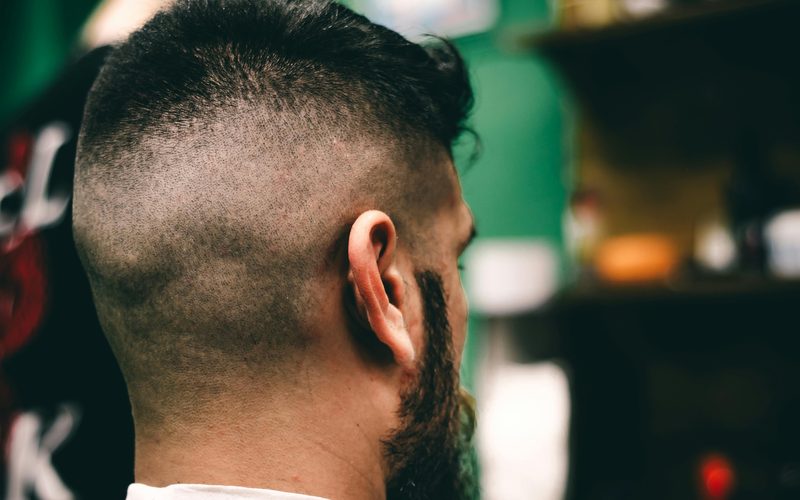
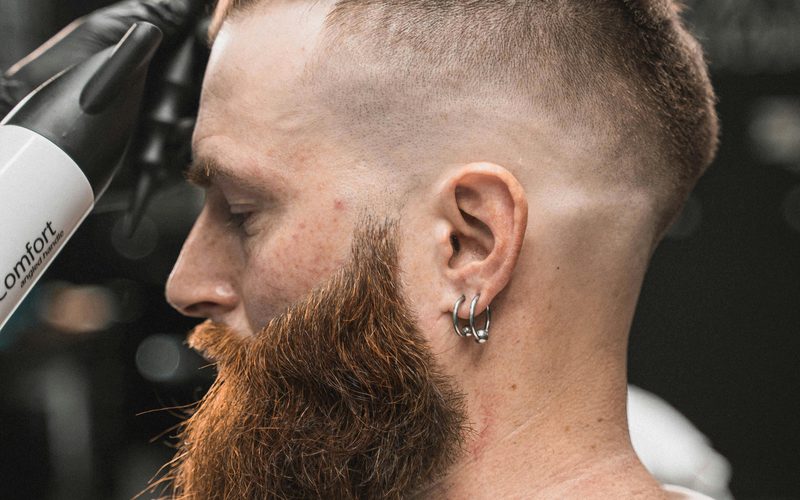
A low fade is a men's haircut where the sides and back gradually taper down from longer hair at the top to shorter hair lower on the head, with the fade line beginning around the lower half of the ear. The transition happens gradually over a smaller area than higher fade styles, creating a subtle, refined look that works well for professional settings.
The key characteristic of a low fade is that the shortest length starts approximately 1 to 1.5 inches above the neckline. This positioning creates a sophisticated appearance while still maintaining enough length to allow for various styling options on top. Unlike skin fade haircuts that taper all the way down to the scalp, low fades retain some hair throughout, making them less maintenance-intensive.
Why Choose a Low Fade?
The low fade has maintained its popularity for good reason. Here's why it's such a smart choice:
- Professional appearance: Works perfectly in corporate environments and formal settings
- Easy maintenance: Doesn't require touch-ups as frequently as skin fades
- Versatile styling: The longer top allows for numerous styling options
- Universal flattering: Works well with most face shapes and hair types
- Modern look: Clean lines keep it current without being trendy or dated
- Good for sensitive skin: The fade doesn't go all the way to the scalp, reducing irritation
Low Fade Variations
The low fade comes in several variations, each with its own unique aesthetic:
Classic Low Fade
This is the most traditional version, featuring an even taper from the sides to the back. The top is typically left longer, usually 2-4 inches, allowing for various styling options like a textured crop, pompadour, or slicked-back look.
Low Fade with Undercut
This combines the low fade with an undercut style on top, creating more dramatic contrast between the sides and the crown. The sides are faded low while the top maintains significant length and volume.
Low Bald Fade
While technically not a skin fade, this variation takes the taper lower than a standard low fade, creating a more dramatic effect while still maintaining slightly more hair than a true skin fade haircut.
How to Get a Low Fade: Communication Tips
Getting the fade you want starts with clear communication with your barber. Here's how to describe it effectively:
- Use numbers: Ask for a "low fade" or specify the length you want (typically a 0.5 to 1 on the clipper guard at the nape)
- Show pictures: Bring photos of low fades you like to ensure you're on the same page
- Specify the transition point: Mention where you want the fade to start (around the lower ear area)
- Discuss the top: Clarify how long you want to keep the hair on top and what style you're going for
- Ask about angles: Discuss whether you want a curved fade on the sides or straighter lines
For more detailed guidance on communicating with your barber, check out our article on how to ask for a fade.
Styling Your Low Fade
One of the best aspects of a low fade is the styling flexibility it offers. The longer hair on top gives you multiple options:
Textured Crop
Keep the top short and textured (2-3 inches) with lots of movement. Use a matte finish product and work the product through with your fingers for a natural, effortless look.
Slicked Back
Style the longer top (3-4 inches) back using a pomade or gel. This creates a clean, sharp appearance perfect for professional settings.
Quiff Style
Grow the top out to 3.5-4 inches and style it up and back. This adds height and volume while maintaining the clean fade on the sides.
Casual Messy Look
Keep the top around 2-3 inches and use a light texturizing product for a more laid-back, natural appearance.
Maintenance and Care
A low fade requires regular maintenance to look its best. Here's what you need to know:
Trim Schedule
Plan to get your fade touched up every 3-4 weeks. Because the fade line is lower on the head and grows out less noticeably than higher fades, you have a bit more flexibility than with mid-fade haircuts, but regular trims keep it looking sharp.
Home Care Between Visits
Invest in a good hair clipper for touch-ups between barber visits. A 0.5-1 mm guard works well for maintaining the fade on your own. Keep your hair clean and moisturized with a quality shampoo and conditioner.
Product Selection
Choose products based on your desired look. For a natural finish, use a matte cream or powder. For shine and hold, use a pomade or strong hold gel.
Schedule your haircuts for the same day and time each month. Most barbers offer discounts for regular customers, and you'll build a relationship where your barber understands exactly how you like your low fade cut.
Low Fade vs Other Fade Types
While the low fade is incredibly versatile, it helps to understand how it compares to other fade styles:
Compared to mid-fade haircuts, the low fade is more conservative and professional. The high fade creates bolder contrast but requires more frequent touch-ups. Skin fade haircuts taper all the way to the scalp for the most dramatic effect.
For a complete breakdown of all fade types, check out our complete guide to types of fade haircuts.
Best Face Shapes for a Low Fade
While low fades are universally flattering, they work particularly well with certain face shapes:
- Oval faces: Can pull off any length on top
- Round faces: Benefit from keeping the top longer and styled up for added definition
- Square faces: Look great with textured, longer tops that add softness
- Rectangle faces: Work well with fuller sides and adequate top length
- Diamond-shaped faces: Benefit from the way fades add width
Common Mistakes to Avoid
When getting or maintaining a low fade, watch out for these common pitfalls:
- Not being specific with your barber: Always clarify where you want the fade to start
- Waiting too long between cuts: Let the fade grow out too long and it loses its definition
- Using the wrong product weight: Heavy products on short sides can look greasy
- Neglecting the neckline: Keep the neckline clean for a polished appearance
- Ignoring hair health: Damaged hair looks worse when it's cut short
Frequently Asked Questions
Most people get a low fade trimmed every 3-4 weeks. Because the fade starts lower on the head, it's more forgiving than higher fades, but regular maintenance keeps it looking sharp and well-defined.
Absolutely! Low fades work great on curly hair. Make sure to communicate with your barber about your hair texture. Curly hair tends to sit differently, so discuss the ideal length on top for your curl pattern.
Yes, very much so. The low fade is one of the most professional-looking haircuts available. It's sharp and clean without being too trendy or extreme, making it perfect for business environments.
A taper fade has a more gradual transition throughout, while a low fade has a more defined transition line that starts lower on the head. For a detailed comparison, check out our guide to taper fade vs fade differences.
Yes! A low fade looks good with or without styling products. The clean lines are flattering on their own. If you do use products, keep it light—a small amount goes a long way with a short cut.
Low fades work well on most hair types, including straight, wavy, and curly hair. The key is discussing your specific hair characteristics with your barber so they can adjust the cut accordingly.