French Crop with Fade: The Modern Man's Guide
The French crop fade is a contemporary hybrid that combines the textured, tousled sophistication of a French crop with the clean definition of a fade. This style has become a favorite for men who want an effortlessly stylish look that works in both casual and professional settings. The top is left longer and textured—often with a blunt fringe across the forehead—while the sides fade sharply, creating dramatic contrast. Here's everything you need to know about getting and maintaining a French crop fade.
What Is a French Crop Fade?
A French crop fade combines two distinct elements: the textured, cropped top characteristic of a French crop, and the faded sides of a fade haircut. The result is a high-contrast style with a blunt line across the front (the crop line) and clean, faded sides and back. The top typically has 1-2 inches of length, allowing for natural texture or intentional styling with products.
Unlike traditional crop cuts, adding a fade to a French crop gives it a modern edge and makes the textured top stand out even more dramatically against the clean, short sides.
Key Elements of a French Crop Fade
The Crop Line
This is the blunt line across the front, typically following your natural hairline or sitting slightly higher. The crop line is what defines the French crop. It should be clean and visible when you style the hair forward. If your barber skips this detail, you just have a longer crew cut, not a proper French crop.
The Top Texture
The magic of a French crop is the texture. This can be natural curly or wavy hair that's left to do its thing, or straight hair that's styled to look textured and piece-y. The texture makes the style look intentional and expensive.
The Fade
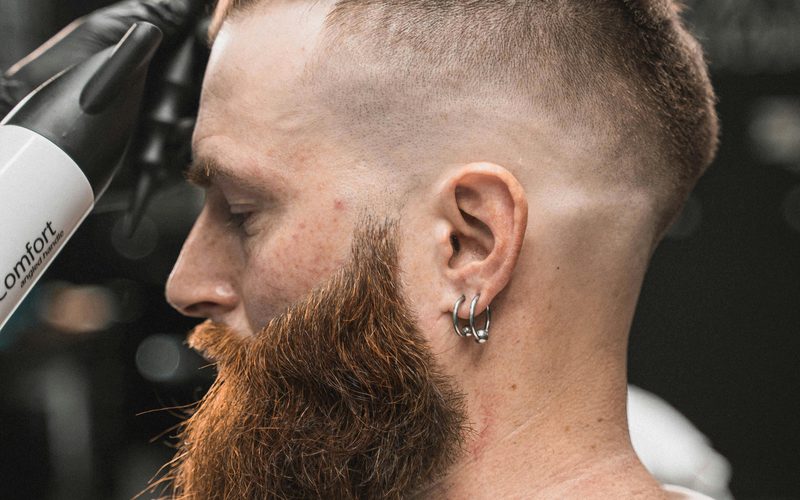
The sides and back feature a fade—how aggressive depends on your preference and face shape. A high fade starting above the ears creates maximum contrast. A low fade keeps more hair on the sides, which can be flattering for different face shapes.
Blending at the Nape
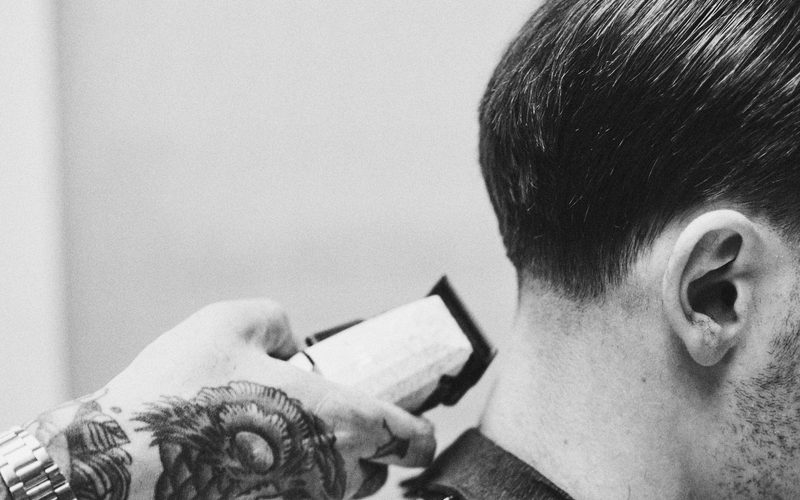
The back of your head where the fade meets the bottom of the crop needs smooth blending. A good barber will taper this area carefully so there's no harsh line.
Who Should Get a French Crop Fade?
Wavy Hair
Wavy hair is ideal for French crops because the natural texture on top looks perfect for the style. The fade emphasizes the contrast beautifully.
Curly Hair
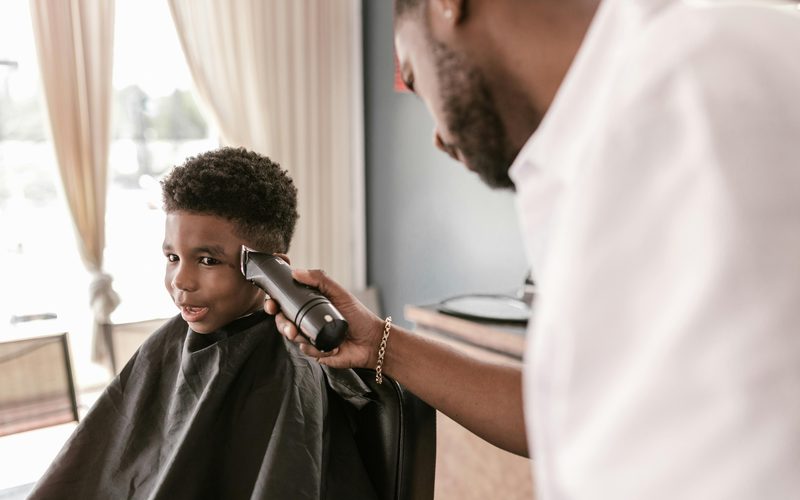
Curly hair works wonderfully with French crops. The curls provide the texture automatically. Ask your barber to shape curls rather than cut straight across, preserving texture while defining the crop line.
Straight Hair
Straight-haired men can definitely rock a French crop fade, but it requires daily styling. You'll need to use a styling product and potentially blow-dry or tousle hair to achieve that textured, piece-y look. The effort pays off with a sharp, modern appearance.
Fine Hair
Fine hair works with French crops, though keeping style throughout the day can be challenging. Use a lightweight, matte product and restyle as needed.
Thick Hair
Perfect for French crops. Thick hair naturally holds texture and style, so you'll get better longevity without needing to restyle frequently.
Face Shapes and French Crop Fades
Oval Face: Any French crop fade works well. You have flexibility with fade height and crop length.
Square Face: A higher fade and longer crop on top adds height, balancing the width of your face. Softer texture on top complements angular features.
Round Face: Keep the crop higher on the forehead (making your face appear longer) and pair with a higher fade. Texture pointing upward adds height.
Oblong Face: Go for less height on top. A lower fade and moderate crop length keeps proportions balanced.
Diamond Face: A French crop works well. The width at the forehead balances cheekbone width. A softer texture looks less harsh than sharp lines.
Styling Your French Crop Fade Daily
For Straight Hair
Start with damp hair. Apply a light styling cream, clay, or matte pomade to the palms of your hands, rub together, and work through hair from roots to tips. Use your fingers or a comb to separate hair into a textured, piece-y look. You want it to look intentionally tousled, not slicked back. Blow-dry on medium heat while using your fingers to style upward and forward, creating texture.
For Wavy Hair
Apply a curl-defining cream or lightweight gel to damp hair. Scrunch upward to encourage waves. Either let it air dry or blow-dry on low heat. The goal is enhancing natural waves while keeping the overall shape intentional and textured.
For Curly Hair
Apply a curl-defining cream to damp hair and scrunch upward. Let air dry or diffuse-dry. Curly hair doesn't need much intervention—the texture speaks for itself. Apply product to enhance definition, not to change the curl pattern.
Differences Between French Crop and Edgar Cut
The Edgar cut (also called an Edgar) has a sharper, more angular crop line and is often paired with very precise, sometimes sharp designs on the sides. A French crop fade is softer and more textured, with less emphasis on sharp lines. Both have faded sides, but the French crop is more textured and forgiving, while the Edgar is more geometric and precise. Choose French crop if you want textured sophistication; choose Edgar if you want sharp, geometric precision.
Maintenance Schedule
Barber Visits
Visit every 3-4 weeks to maintain the crop line and refresh the fade. The crop line gets blunt and less defined as hair grows, and the fade loses sharpness. Regular appointments keep the style clean.
At-Home Maintenance
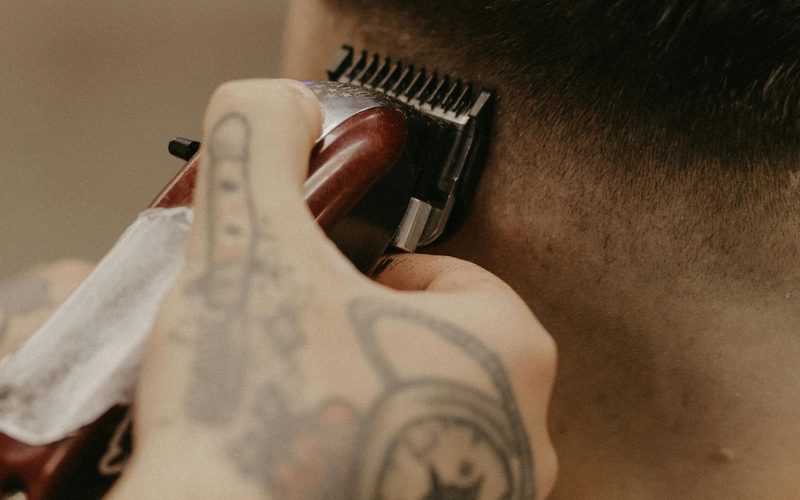
Between cuts, maintain the style with daily styling. If the sides get shaggy, some men use home clippers to refresh the fade line—but only if you have experience. Otherwise, wait for your barber appointment.
Product Maintenance
Keep styling products stocked. Running out means a few days of boring, unstyled hair. A small pomade or clay lasts weeks, so keep at least one on hand at all times.
Take a photo of your hair when you just got it cut and the style looks perfect. Save this photo on your phone. When you return for your next cut 3-4 weeks later, show it to your barber as a reference. This ensures consistency and prevents your barber from accidentally changing something you love.
Styling Options and Variations
Textured and Piece-y
The classic French crop fade look: hair separated into distinct, textured pieces pointing in slightly different directions. Intentional messiness that looks expensive and thoughtful.
Slicked Back
Apply more product (heavier pomade or gel) and comb all hair straight back. The fade still shows, but you've created a different silhouette. Good for formal occasions or when you want a sleeker vibe.
Tousled Forward
Style hair forward and to the side in a relaxed, undone way. This shows off the crop line and works well in casual settings.
Natural Texture (For Wavy/Curly Hair)
Skip heavy styling products and let your natural texture do the work. A light curl-enhancing cream is all you need. This is the lowest-effort version and often looks the best on naturally textured hair.
Common Mistakes to Avoid
- Asking for a "French crop" without specifying the fade: Some barbers default to a crew cut length instead of a proper fade. Be explicit: "French crop with a fade on the sides."
- Not showing a reference photo: French crop fades vary in interpretation. A photo clarifies your vision.
- Skipping the styling: If you have straight hair, a French crop fade without styling looks like an unkempt crew cut. Commit to daily styling or choose a different cut.
- Using the wrong products: Heavy pomades will weigh down the texture. Use lightweight, matte products like clays or styling creams instead.
- Overcomplicating the maintenance: A French crop fade is simple: visit your barber every 3-4 weeks and style daily. Don't try to do advanced at-home fading unless you have experience.
- Forgetting about the back: The back of your head is visible. Make sure your barber has shaped the back transition well from the crop length down into the fade.
Product Recommendations
For styling a French crop fade, look for lightweight products in these categories: matte clay, styling cream, lightweight pomade, or texturizing paste. These products provide hold and definition without weighing down the textured look. Medium hold is typically ideal—you want hair to move naturally while maintaining shape.
Frequently Asked Questions
Frequently Asked Questions
A regular crop cut usually has the same length all around, including the sides. A French crop fade has shorter sides that fade, creating high contrast with the longer, textured top. The fade makes it a more modern, edgy version of a classic crop.
Yes, but you'll need to style it daily with products to achieve the textured, piece-y look. If you prefer wash-and-go haircuts, choose a different style. Wavy or curly hair requires less styling effort.
It depends on your face shape and personal preference. High fades create maximum contrast and are very modern. Low fades are subtler and more conservative. A mid-fade is a safe middle ground. Discuss with your barber based on your face shape.
The fade grows out within 2-3 weeks, and the crop line becomes less distinct around the same time. Most men return to their barber every 3-4 weeks to maintain the style. If you let it grow for 6-8 weeks, you can transition to a longer style.
Absolutely. This style is clean, intentional, and professional-looking. It works in corporate offices, creative industries, and most professional environments. The textured top is refined without being trendy or unprofessional.
If you have naturally wavy or curly hair, yes—the texture shines through naturally. If you have straight hair, you'll need at least a light styling product to create texture and definition. Otherwise, it just looks like a regular short haircut.