Temple Fade Haircut: Style Guide & Tips
The temple fade, also called a "temp fade" or "Brooklyn fade," is a sophisticated variation that fades the hair specifically around the temples and sides while maintaining more length on top and back. This style has become increasingly popular because it offers versatility, works with multiple hair types, and flatters various face shapes. Whether you're looking for a stylish upgrade to a regular fade or want to learn how to ask for this specific cut, this guide covers everything you need to know.
What Is a Temple Fade?
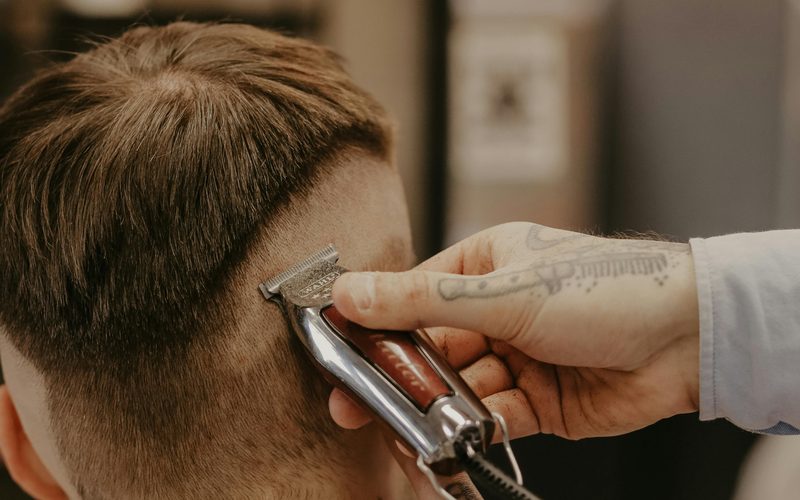
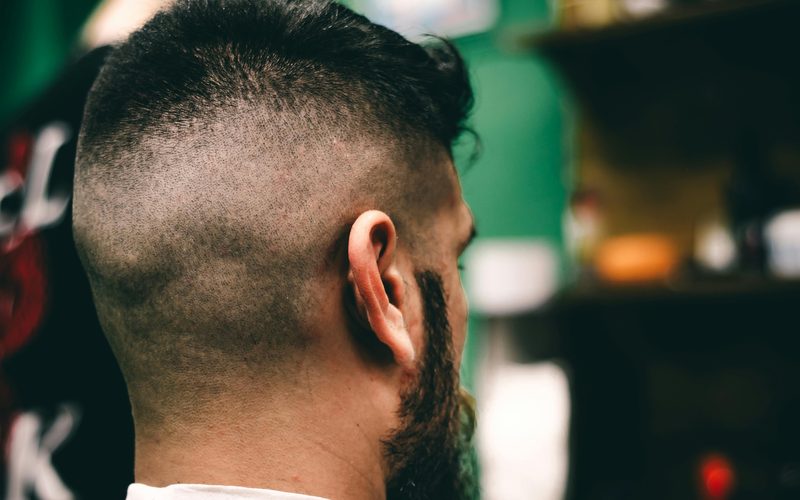
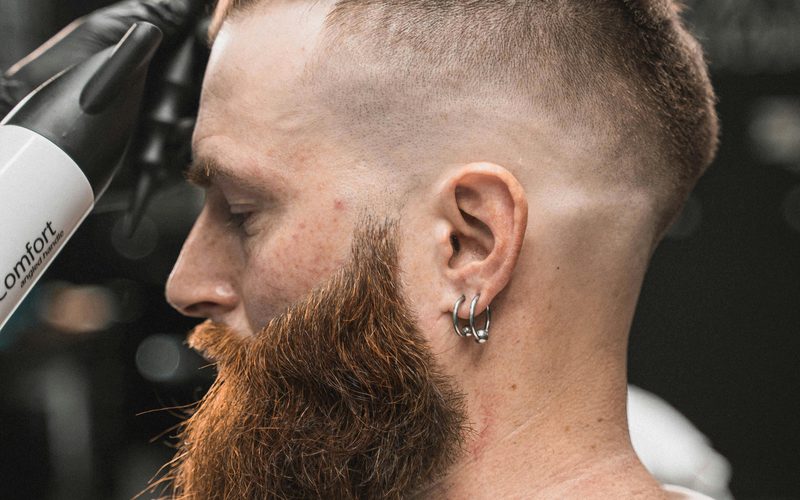
A temple fade is a precise fade that emphasizes the temple area—the space between your sideburn and your ear. Instead of a traditional fade that gradually tapers from top to bottom along the entire side, a temple fade creates a distinct, sometimes angular line that follows your natural hairline around the temples. This creates dimension and definition in a way that flat fades don't.
The key difference between a temple fade and a standard low fade is intention: a temple fade is sculpted to your specific head shape and face structure, making it more personalized and flattering.
Types of Temple Fades
Clean Temple Fade
A sharp, precise line at the temple with a quick, clean transition to skin. This style has a more dramatic, high-contrast appearance. Perfect if you want a bold, modern look that's clearly intentional and groomed.
Soft Temple Fade
A more gradual blend at the temples with a softer transition. Less dramatic than a clean temple fade, this version is versatile and works in professional and casual settings. The softer transition is more forgiving as hair grows out.
High Temple Fade
The fade line starts higher on the temples, creating a bigger, bolder contrast. This style commands attention and works well with longer hair on top that you can style back or to the side.
Low Temple Fade
A subtler version where the fade begins lower, blending more gradually into the sideburn area. More conservative than high versions, this still creates definition without being too aggressive.
Temple Fade with Design Elements
Some barbers incorporate art into temple fades—lines, shapes, or patterns cut into the fade. These add personality but require a skilled barber and more frequent maintenance.
Why Temple Fades Work So Well
Flatters Multiple Face Shapes
Because a temple fade works with your natural head shape rather than against it, it's universally flattering. A good barber will follow your bone structure to create lines that enhance your face shape—this is why custom temple fades look so premium.
Versatile Length Options
You can pair a temple fade with basically any length on top: from a tight skin fade all the way to a skin fade on the temples, to 3+ inches for a textured crop. This flexibility means one style can work as you grow hair out or change your styling preferences.
Professional and Modern
Temple fades look intentional and well-groomed—they work in corporate offices, creative industries, and casual settings. The style reads as "I pay attention to my appearance" without being too fashion-forward.
Grows Out Gracefully
When a temple fade grows out, it tends to blend back in more naturally than a straight fade. This means you have a bit more flexibility with appointment timing before regrowth becomes noticeable.
How to Ask for a Temple Fade
When you sit down in the barber chair, use this language:
- "I'd like a temple fade with [soft/clean] blending and [high/low] fade line."
- "Fade around my temples specifically, following my natural hairline."
- "Keep this length on top [point to desired length] and fade the sides, emphasizing the temple area."
Bring a photo. Temple fade specifics vary by barber, and a photo eliminates confusion about what "temple fade" means to you versus what it means to them. Different barbers have different interpretations of this style.
Best Pairs for Temple Fades
Temple Fade + Textured Crop
Keep 2-3 inches on top and style textured, messy, or natural. The temple fade defines the sides, letting you showcase the texture and styling of the top. Perfect for wavy, curly, or naturally textured hair.
Temple Fade + Side Part
Clean lines on one side, longer hair swept to the other side. The temple fade creates sharp definition that makes a side part look even more intentional and stylish. Works at every professional level.
Temple Fade + Slicked Back
Pull hair back with pomade or gel, letting the fade lines show. This look is sharp, bold, and confident. Requires daily styling but delivers premium results.
Temple Fade + Length
Keep generous length on top and throughout—the fade is only on the sides and temples. This gives you styling flexibility while the fade keeps the look clean and defined. Easy to transition to a different style as it grows.
Maintenance and Care
Appointment Frequency
Visit your barber every 3-4 weeks to maintain sharp temple fade lines. The exact timing depends on how fast your hair grows and how defined you like the fade. Some men with faster-growing hair go every 2.5 weeks.
Preserving the Line
Once you find a barber who nails your temple fade, stick with them. Your barber will remember your specific preferences, face shape, and desired fade placement. Consistency is key for maintaining this personalized style.
Daily Styling
How you style daily affects how the fade looks. If you typically wear hair slicked back or styled away from your face, the fade shows more prominently. If you wear it down and forward, it blends in more. Style according to how you want the fade to be perceived.
Temple Fade for Different Hair Types
Straight Hair: Temple fades show beautifully on straight hair with maximum definition. The sharp lines are crystal clear.
Wavy Hair: The fade definition complements waves well, and the texture on top provides contrast to the clean sides.
Curly Hair: Curly hair works wonderfully with temple fades. The fade provides definition that makes curls appear intentionally styled.
Coily Hair: Temple fades are fantastic with coils and coily hair because the contrast is dramatic and the fade emphasizes your natural texture beautifully. Work with a barber experienced with textured hair.
Thin Hair: Temple fades still work, but very short fades (close to skin) may show some scalp. Opt for slightly longer guards on the sides to maintain the fade while minimizing scalp visibility.
Common Mistakes to Avoid
- Not showing a reference photo: Temple fades vary widely by interpretation. A photo prevents miscommunication.
- Expecting it to last 6 weeks: Temple fades need regular maintenance to stay sharp. This style doesn't work if you only get haircuts quarterly.
- Going to a barber unfamiliar with the style: Not all barbers specialize in temple fades. Choose someone who has done this cut before.
- Being vague about length on top: "A little longer" is meaningless. Point to the exact length you want or use measurements (2 inches, 3 inches, etc.).
- Neglecting the style between cuts: A poorly styled temple fade looks messy. Even basic styling helps it look intentional.
Ask your barber to show you the fade lines in a hand mirror after the cut, before you leave the chair. This gives you a clear view of what was done and ensures you're happy with the result before you leave. If something doesn't match your vision, communicate it immediately while the barber can make adjustments.
Temple Fade vs Other Fade Types
A burst fade is similar to a temple fade but extends more around the entire side-back area with curved lines, while a temple fade specifically emphasizes the temples and front-side area. A low fade starts the transition lower (below the ears), whereas a temple fade emphasizes the temple-specific area regardless of where the overall fade line is. The key is that a temple fade is a more targeted, sculpted fade rather than a uniform one.
Frequently Asked Questions
Frequently Asked Questions
A regular fade gradually tapers hair length from top to bottom uniformly across the sides. A temple fade specifically emphasizes and sculpts the temple area with a more precise line or curve that follows your natural hairline. It's more personalized and artistic.
Maintaining the specific temple lines at home is challenging unless you have clippers experience. Most men prefer to visit a barber every 3-4 weeks. However, you can maintain the overall shape between professional visits by carefully using clippers along established lines.
Absolutely. In fact, the longer your hair on top, the more the temple fade stands out and defines your look. You can have 3-4+ inches on top with a sharp temple fade on the sides.
Most people can, but it works best if you visit a barber regularly (every 3-4 weeks). The fade lines need maintenance to stay sharp. If you prefer getting haircuts every 6+ weeks, a temple fade may not be ideal.
More time than a basic haircut—typically 30-45 minutes. Precision work and blending take longer. Don't rush your barber; the extra time ensures quality results.
You'll need to wait for hair to grow back or find a barber to adjust the line. This is why communication before cutting is crucial. Show photos, describe precisely what you want, and ask questions if anything seems unclear.