Visual principles to consider
Preserve some width near the temples, avoid making every edge severe and use top movement that is slightly forward or sideways. Soft texture can offset prominent cheekbones without flattening the hairstyle.
Styles worth comparing
A low fade keeps the blend below the widest point, an Ivy League adds a side sweep, a textured crop softens the front, and shaped curls can provide natural width through the upper silhouette.
Open the private editor with Low Fade already selected.
What to be careful with
An extremely high, tight fade may narrow the temples and make the cheekbones appear even wider. That can be intentional, but preserve more side weight when you want a more balanced outline.
Styling and barber guidance
Ask where the fade will pass relative to the cheekbone and how much temple weight will remain. Use a light product that supports movement instead of pressing the top into a narrow central ridge.
Ad placement
Styles worth comparing
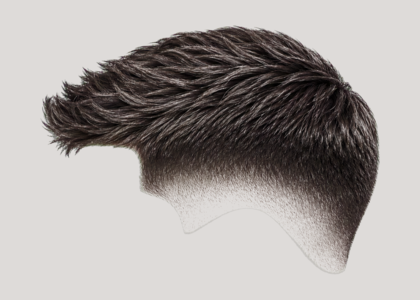
Low Fade
A subtle blend that begins just above the ear for a clean, versatile finish.
Try this style →
Ivy League
A refined short scissor-cut top with a modest, natural side sweep.
Try this style →
Textured Crop
A short, choppy crop worn forward for an easy, modern silhouette.
Try this style →
Curly Top
Natural curl and volume shaped into a clean, balanced profile.
Try this style →Frequently asked questions
Is a low fade useful for a diamond face?
It can preserve more width near the temples than a high fade. The top direction and amount of retained side weight still matter.
Does a side sweep work with a diamond face?
A relaxed side sweep can add visual width near the forehead and soften the transition into prominent cheekbones.
Related hairstyles and guides
Try the haircut before your next barber visit
Use your own photo, compare the original and preview, then save a barber reference card.
Compare a Diamond-Face Recommendation