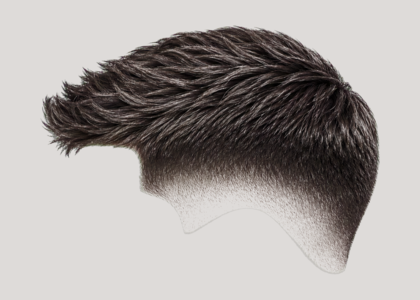
What defines a low fade?
A subtle blend that begins just above the ear for a clean, versatile finish. The name is only a starting point: placement, shortest length, blend shape and retained weight determine how the finished cut looks.
Hair types and proportions to consider
This style can be a useful option for oval faces, square faces, professional looks, first fades. It works with straight, wavy, thick hair when the shape is adjusted for density, growth direction and personal proportions.
The editor opens with Low Fade selected and keeps your photo in your browser.
Where a low fade should begin
The transition should sit close to the ear and remain below the temple. Moving it higher changes the silhouette into a mid fade, even if the same guards are used.
Useful low-fade guard combinations
For a soft result, begin around #0.5 or #1 and blend into #2 or scissor length. For more contrast, take the base to skin while keeping the blend line low.
- Skin to #1 for a sharp finish
- #0.5 to #2 for visible but controlled contrast
- #1 to #3 for a softer professional result
Ad placement
What to ask your barber
Ask for a low transition using #0.5 to #2 taper through the sides. Keep about 2 to 3 inches on top with light texture on top and a natural taper neckline. Show a side and back reference to settle the blend shape.
Maintenance and styling
Refresh every 2–3 weeks for the cleanest blend. Use a small amount of product suited to your texture and preserve the intended direction rather than flattening the top.
Preview it before the barber
The MensFade editor opens with this style selected. Adjust its position and scale on your photo, compare it with the original, then save a barber instruction card.
Try Low Fade on Your PhotoFrequently asked questions
How often should I maintain a low fade?
Refresh every 2–3 weeks for the cleanest blend.
What guard should I ask for?
Use #0.5 to #2 taper as a starting point, then adapt it to your density and desired contrast.
Can a low fade be professional?
Yes. Keep the outline controlled, preserve suitable side weight and choose a natural neckline for a softer result.