How to make the decision
Begin with placement and shape rather than guard numbers. Your hair density, growth direction, top length and tolerance for frequent maintenance all affect the result.
Practical guidelines
- Tapers preserve the most side weight
- Low fades create a continuous visible blend
- Tapers usually grow out more softly
- Choose based on shape before choosing guard numbers
Side-by-side comparison
Temples and neckline
Full lower sides and back
Maximum retained
Some removed
Subtle
Subtle to moderate
Softest
More visible
Longer professional styles
Short and medium styles
Temple and neck details
Height and shortest guard
Ad placement
Styles worth previewing
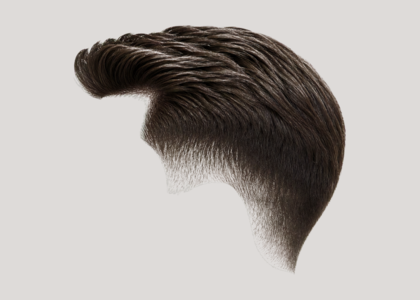
Taper Fade
A restrained taper at the temples and neckline that keeps more weight on the sides.
Try this style →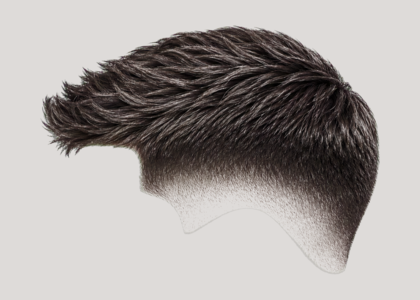
Low Fade
A subtle blend that begins just above the ear for a clean, versatile finish.
Try this style →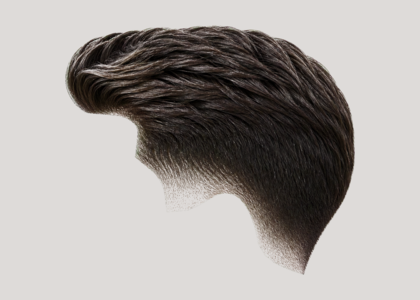
Low Taper Fade
A soft, low taper focused around the sideburns and neckline.
Try this style →Build a useful barber reference
A good brief specifies fade height, shortest length, the weight above the blend, top length, texture and neckline. Generate the visual first, then use those details to make the request precise.
Create Your Barber PreviewFrequently asked questions
What matters most when choosing a taper or low fade?
Start with the silhouette and blend height, then agree on the shortest guard, retained side weight, top length and maintenance level.
What should I show my barber?
Bring a clear side and back reference and describe what you like about the placement, shape and contrast.